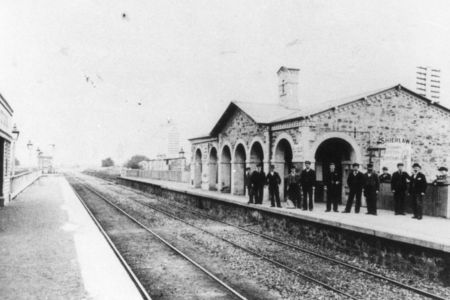
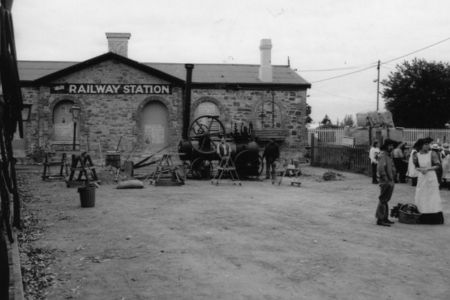
Opened in 1856, the station is Australia's oldest surviving operational railway station building. For 170 years, it has stood at the heart of the community, serving as a gateway to work, school, shopping trips, beach outings and football matches at nearby Alberton Oval.
The $1.4 million restoration project by SA Infrastructure and Transport was guided by original drawings and handwritten specifications held in the State Archives, helping ensure lost features could be accurately recreated.
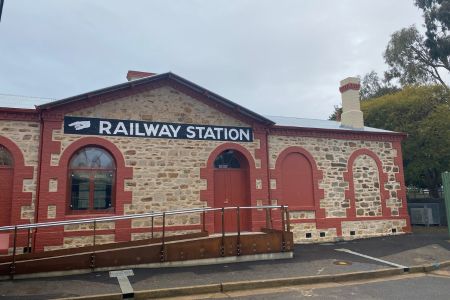
Key heritage elements, including the original ceilings, bluestone stonework and internal brick walls, have been preserved, while new doors and windows were carefully crafted using western red cedar, complemented by blackbutt timber flooring, Mintaro slate and exposed aggregate concrete. Original jarrah floorboards salvaged from the building have also been repurposed as a feature wall.
The station's footprint remains unchanged, but it now includes meeting rooms, community activity spaces, storage, a tearoom and accessible facilities. A new accessibility ramp at the Sussex Street entrance features an etched artwork depicting the Port River.
The project uncovered some fascinating pieces of local history, including a 1903 ticket book recording free rail travel for apprentices, a 1936 workman's rail ticket, a ticket to the 1900 Accession Day races at Morphettville, handmade nails, railway spikes, stonemasons' tools, a canvas mailbag, a lump of coal and even a hidden water tank concealed in the ceiling cavity from before mains water reached the station in 1869.
More than 160 workers contributed to the restoration, which is about more than preserving bricks and mortar. It's about protecting a local landmark, celebrating our shared history and ensuring an important part of our local story continues to serve the community for decades to come.