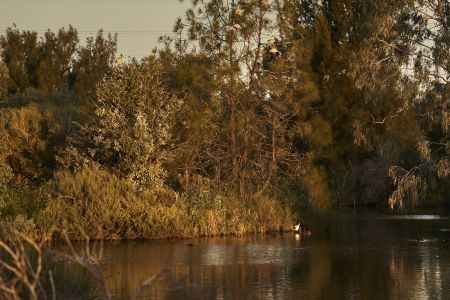
We're protecting the coastline from Semaphore South to Outer Harbor. Learn how you can get involved to help restore our marine environment.
We’re committed to preserving our diverse coastline
Our beautiful coastline runs from Semaphore South through to Outer Harbor and the Port River Estuary. People love relaxing on our shores and we're lucky to enjoy such a great lifestyle, from beaches and barbecues to parks and cycle paths.
We protect our coastline with maintenance and safety programs as well as through scientific research and conservation efforts. There are many local groups working hard to preserve our unique ocean and coast.
Our Coastal Dune Action Plan 2022–27
We developed our Coastal Dune Action Plan to protect plants and animals across 42ha of sand dunes. Every year we weed the dunes and plant more than 4,000 native plants. The Semaphore Largs Dunes Group, Taperoo Dunes Group, Friends of North Haven Dunes and Green Adelaide help us deliver this rejuvenation program.
Coastal and marine projects
We need to protect the waters and wetlands of the Barker Inlet and Port River Estuary because commercial and recreational activities like fishing rely on healthy marine life. Research shows that people's actions over many years have damaged the plants and animals in these waters, so we need to work hard to restore their health.
Mutton Cove Conservation Reserve is an important home for migratory shorebirds on the Lefevre Peninsula, but rising sea levels and super tides have washed away the river banks. We're repairing and protecting the area's samphire and mangrove woodland so that people and animals can enjoy the area for generations.
Algal Bloom Community Support Information
Algal bloom affecting South Australia’s coastline is being managed by the State Government of South Australia, not Council. The state government has established an algal bloom taskforce and reference group to help industries and stakeholders respond to and recover from the algal bloom.
An algal bloom phone hotline has been established by the State Government, to provide further access to accurate, timely and consistent information about the algal bloom affecting parts of South Australia. The hotline makes it easier to connect with existing algal bloom support services through a single contact point. The hotline number is 1800 774 779. More information about the service is available on the State Government website.
The following information aims to provide relevant organisational contact details and support community wellbeing during the current algal bloom event.
For the latest information from the South Australian Government to help you stay informed, stay safe and understand how the situation is being managed, visit sa.gov.au/algalbloom.
The harmful algal bloom currently affecting South Australian waters is an unprecedented environmental event. This naturally occurring phenomenon has reached a scale not previously experienced in our region, causing significant marine ecosystem impacts and understandable community distress.
Key Facts
- The bloom is primarily Karenia mikimotoi, a naturally occurring algae
- The bloom has been driven by elevated sea temperatures and calm ocean conditions
- It depletes oxygen in the water and releases toxins harmful to marine life
- The scale and duration are unprecedented for our region
- This is a state government managed environmental response
Water Contact
- Follow all SA Health advice regarding water contact and seek medical attention if you experience any symptoms after water contact
- Avoid swimming, fishing, or recreational activities in affected areas and direct contact if you must be near affected waters
Reporting Dead Marine Life
- Do not touch or handle deceased marine animals
- Report significant marine life deaths to the SA Environment Protection Authority and take photos from a safe distance if needed
Understanding Environmental Grief
Environmental grief - the distress experienced when witnessing ecological loss - is normal and you may feel:
- Sadness and loss about the ocean environment
- Anxiety about environmental change
- Feelings of helplessness
- Concern for marine life and ecosystem health
It is important to remember this situation will pass, but community resilience is ongoing. If you need support to understand and manage your grief there are a range of free health support resources you can use, in the resources section of this document.
To help young people understand and manage grief, parents and carers can validate their feelings and concerns, provide age-appropriate information and encourage constructive action where possible.
You can seek professional support if distress is significant or persistent.
Community support can make a difference during an environmental situation. You can get involved by:
- Joining local environmental monitoring groups and educational programs such as the Port Environment Centre
- Participate in beach and marine conservation activities to learn about local marine biodiversity
- Engage with sustainable living practices
- Support marine research and conservation organisations
- Record dead marine life on SA Marine Mortality events 20205 - iNaturalist
- Observe and photograph water conditions from shore (maintaining a safe distance) and include landmarks for location reference - be consistent with observation locations if possible
- Use smartphone apps with GPS location services
- Record date, time, location, and weather conditions
- Note water colour, any visible algae, and marine life observations
- Report data through official reporting channels only
DO NOT
- Enter affected waters
- Collect water samples
- Handle marine life (living or dead)
- Attempt to help affected marine animals
Report Water Quality Observations
Contact SA Environment Protection Authority, EPA Connect on 1800 623 445 or through epa.sa.gov.au/community
Report Marine Life Impacts
Contact the Department for Environment and Water on 08 8204 1910 or environment.sa.gov.au/
Information
sa.gov.au/algalbloom
SA Health
SA Health Water quality alerts
SA Environment Protection Authority or EPA Connect on 1800 623 445
Department of Primary Industries and Regions - Harmful algal bloom situation update
Department for Environment and Water SA harmful algal bloom update or 08 8204 1910
Surf Life Saving SA
Mental Health Resources
- Griefline (24/7 grief and loss support) or call 1300 845 745
- Lifeline (24/7 crisis support) or call 13 11 14
- Beyond Blue (mental health support) or call 1300 22 4636
- Kids Helpline (support for young people) or call 1800 55 1800
- Your GP can provide mental health care plans and referrals
- Local community support groups
Wayner Kerber - Sports Chaplaincy Australia Wayne.kerber@outlook.com or call 0407 798 882
Educational Resources
- National Library of Medicine (paper) Ecological Grief as a Response to Environmental Change: A Mental Health Risk or Functional Response?
- Great Southern Reef Foundation South Australia's 2025 Algal Bloom: What We Know, What We're Learning
- Port Environment Centre and their Webinar recording on the Science of the Algal Bloom
- SA Coastal Councils Alliance (SACCA)
- Climate Emergency Australia
psychologyforasafeclimate.org/
climatefeelings.space/ - UNESCO IOC Harmful Algal Bloom Programme which Australia participates in to coordinate global research and response to help protect marine environments worldwide.
Business Support
- Tourism Industry Council of South Australia or (08) 8231 3085 or
- Department of Primary Industries and Regions or (08) 8207 5332 or
- Office for Small and Family Business on (08) 8429 3801